


RummyRummy is more than a casual card game because it combines memory, planning and flexible decisions. Understanding the cards and valid groups helps users read the hand instead of relying only on luck. For a detailed and practical guide, readEG33 this EG33 article.
Why Rummy Holds Players' Attention
RummyRummy is one of the world's familiar card games and appears in different regional forms while retaining its core objective. Its appeal comes from the balance between combination-building, decisions and reading other players.
Unlike games based only on comparing high and low values, Rummy requires planning across several turns. Every card kept or discarded can affect the result, so RummyRummyacts as a test of observation and decision-making as well as entertainment.
Basic Rules and Principles
RummyRummy rules can appear simple at first but become more detailed in play. Users need to understand how each rule affects a decision rather than memorising a fixed pattern. A stronger grasp of the rules can improve decision quality but cannot guarantee a win.
Number of Players and Required Decks
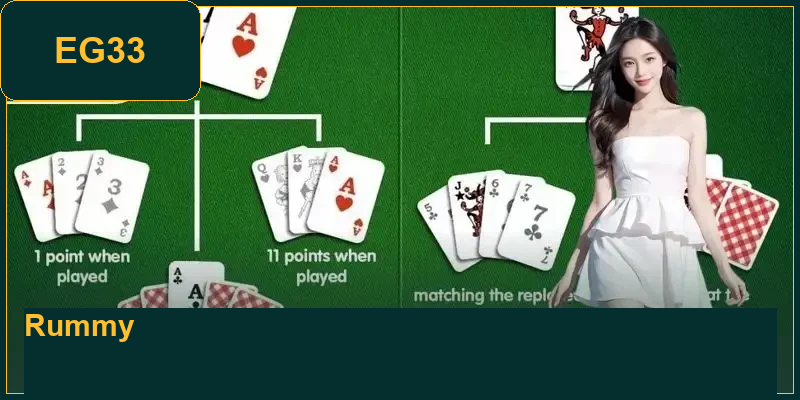
A game normally has two to six players and uses a standard 52-card deck. Each player receives 10 cards, the remaining cards form a face-down draw pile and one face-up card starts the discard pile. The aim is to arrange cards into valid groups and close the hand under the rules.
Valid Card Combinations
The objective is to arrange all cards into valid groups before the opponents. Valid groups include:
- Set of the Same Rank: At least three cards with the same number, such as 7♠, 7♥ and 7♦.
- Straight Run: At least three consecutive cards in the same suit, such as 5♣, 6♣ and 7♣.
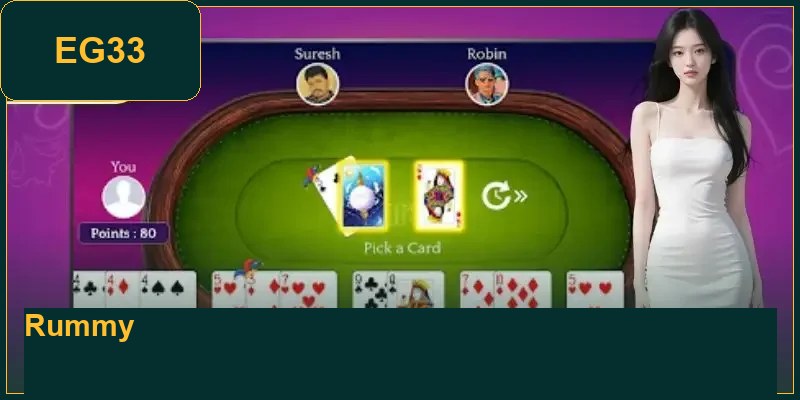
Players take turns drawing from the draw pile or available discard and then discard an unwanted card. The round ends when a player closes the hand or when the draw pile is exhausted, according to the selected rules.
Scoring in Rummy
New players sometimes focus only on placing groups quickly and overlook scoring. The source describes a multi-round format where the player with the lowest total score wins.
| Card Group | Point Value |
| Cards 2 to 10 | Points equal to the number shown on the card |
| J, Q, K | 10 points for each card |
| Ace (A) | 1 or 10 points depending on the rules |
Holding several high cards at the end of a round can create a large score disadvantage even after earlier strong play.
Rummy Strategy for More Consistent Decisions
If the rules provide the foundation, strategy determines whether a hand is managed on solid ground or built like a fragile castle on sand.RummyA player without a plan may win an individual Rummy round, but a consistent approach can support better decisions over several rounds without guaranteeing the final result.
Remembering Played Cards
Remembering cards is a central skill. Tracking played cards can suggest which combinations an opponent may be building and which discard could help them.
Experienced players often track discarded J, Q and K cards because they carry high points. If a needed combination becomes unlikely, changing the plan early can reduce the points left in the hand.
Knowing When to Discard a Difficult Card
Trying to hold every promising card does not always help. In many RummyRummyhands, a loss grows because a difficult card is kept too long. Discarding it earlier can limit the score if another player closes the round.
| Situation | Conclusion |
| Difficult High-Point Card | Discard Early |
| Card with a Realistic Run Possibility | Keep Temporarily |
| Opponent Repeatedly Discards the Same Suit | Avoid Feeding the Same Pattern |
The table shows that each choice should have a reason. Applying these principles can limit score exposure when a round ends unexpectedly, although it cannot control the cards drawn.
Prioritising High-Point Discards
Keeping J, Q and K cards for too long carries a high point risk. While waiting for a combination, ask how many points would remain if another player closed the hand immediately.
A cautious strategy focuses on reducing unwanted points rather than completing every possible combination. Skilled players may abandon a high-point plan when the risk of holding those cards becomes greater than the possible benefit.
Misdirection as a Psychological Tactic
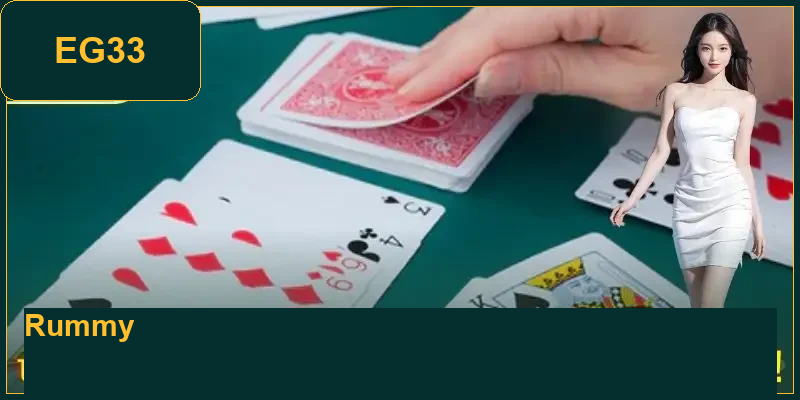
RummyRummy also involves reading the other players. One described tactic is discarding a card from an already completed set to suggest that a particular suit is no longer needed.
An opponent may interpret that discard incorrectly and release a card you are waiting for. This illustrates the psychological side of the game, but it remains a tactic rather than a guaranteed method.
In Summary
RummyRummy rewards patience, planning and control more than hurried decisions. Understanding the rules and managing points can make each hand easier to evaluate. If you want a card game that exercises memory while remaining entertaining,EG33the Rummy section on EG33 provides a format worth reviewing.

Through a long-term outlook and a transparent strategy, the EG33 Editorial DeskEG33 covers the platform's development, which improves the player experience and expands its international reach.
🌐 https://eg33.website/
📧[email protected]
🌏 246 Tejkunipara-Nakhalpara Rd, Dhaka 1215, Bangladesh
 Dragon Tiger – EG33 Shares How to Play the Game from A-Z
 Blackjack EG33 – Live Blackjack Online in the Bangladesh
 Sic Bo: standard play tips for more sustainable results
 Andar Bahar rules and practical prediction tips for players